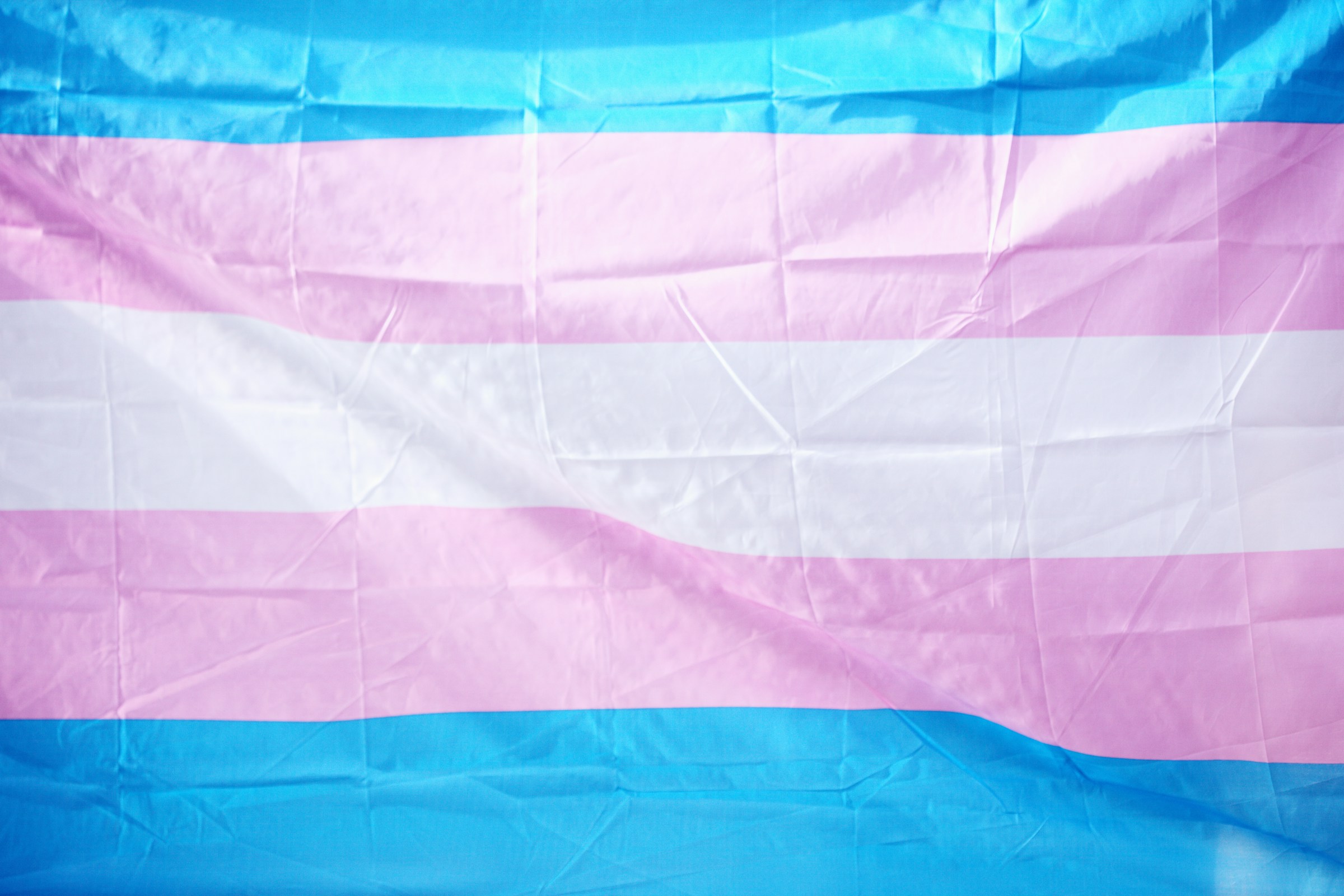
Interested in having a real positive impact on the lives of gender marginalized and diverse asylum seekers in Uganda and beyond?
Why get involved?
TRIU employs a trauma-informed, rights-based and harm-reduction framework to address the complex, unique and multi-faceted needs of rural TGD refugees and displaced communities with the robust programmatic and advocacy architecture required to operate effectively in a criminally-proscribed environment.
Through strategic partnerships and evidence-based programming, we focus on four key pillars: legal protection and human rights, Mental Health and Psychosocial Support Services (MHPSS), economic empowerment and equitable access to comprehensive healthcare services with a focus on HIV/AIDS, TB, Malaria and SRHR.
Visit our site
Bookmark our blog homepage and look out for updates.
Contact us
To get involved in supporting our mission, reach out. We are happy to connect and discuss our mission.
See what we get up to on social media and share with your networks to support our mission. Click on the icons below to follow along and connect with us.
Who are we? Here is an outline of our 5 biggest focus areas.
Humanitarian Response & Emergency Protection
We aim at providing immediate, life-saving interventions for TGD refugees facing acute displacement, violence and homelessness. By bridging the gap in mainstream refugee response, we guarantee that the most marginalized individuals are not left behind during crises.
Public Health & HIV/AIDS/TB/Malaria Programming
We aim at operating within the national health framework to ensure inclusive,quality and non-discriminatory service delivery. We integrate HIV/AIDS/TB and Malaria prevention and treatment with specialized Mental Health and Psychosocial Support (MHPSS) tailored to the unique trauma of forced migration and gender persecution. Our goal is to foster holistic wellness, reduce health disparities and build psychosocial resilience within the TGD refugee community.
Human Rights & Legal Protection
We aim at safeguarding the fundamental rights and legal dignity of TGD refugees through robust legal aid, documentation assistance and protection monitoring. We empower individuals to navigate the Ugandan legal landscape, seek asylum with dignity and access justice in cases of discrimination or human rights violations. Our work ensures that legal frameworks serve as a shield, not a barrier to personal safety.
Livelihoods development and economic strengthening
We aim at transforming TGD refugees from aid-dependency to economic self-reliance through market-aligned skills development, financial literacy and micro-entrepreneurship support. By fostering inclusive economic environments and creating sustainable income-generating opportunities, we will build the long term resilience of our beneficiaries and contribute to the socio-economic fabric of host communities.
Advocacy, Policy and community engagement
We aim at amplifying the voices of TGD refugees in local, national and international policy arenas. We engage in evidence-based advocacy to influence inclusive legislative reforms and challenge systemic homophobia and transphobia. Through strategic community engagement and activism, we build social cohesion between refugees and host communities, fostering a culture of consent, diversity and mutual respect.
Current policies in Uganda create significant barriers to healthcare access for TGD refugees. The criminalization of same-sex conduct and gender identity, coupled with societal stigma, prevents many TGD individuals from seeking the care they need.
Healthcare providers may lack the training or willingness to provide inclusive services, further discouraging TGD refugees from seeking treatment. The lack of specific protections for TGD individuals in healthcare settings violates their fundamental human rights to health and non-discrimination.
The Impact
Current policies in Uganda create significant barriers to healthcare access for TGD refugees. The criminalization of same-sex conduct and gender identity, coupled with societal stigma, prevents many TGD individuals from seeking the care they need. Healthcare providers may lack the training or willingness to provide inclusive services, further discouraging TGD refugees from seeking treatment. The lack of specific protections for TGD individuals in healthcare settings violates their fundamental human rights to health and non-discrimination.
Develop and endorse health policies that explicitly include trans and gender diverse individuals, ensuring their rights are protected and their needs addressed. Conduct regular reviews of these policies to adapt to the changing needs of the refugee population.
2. Increase Training for Healthcare Providers:
Conduct training programs for healthcare providers on gender diversity, cultural competence, and non-discriminatory practices to foster a more inclusive healthcare environment. Include the experiences and perspectives of trans and gender diverse refugees in training curricula.
3. Enhance Community-Based Services:
Support the establishment of community health programs that are easily accessible and tailored to the unique needs of trans and gender diverse individuals. Promote outreach initiatives that educate and empower these communities to seek care for HIV, TB, and malaria prevention and treatment.
4. Strengthen Support Networks:
Facilitate partnerships with local NGOs and community organizations focused on trans and gender diverse populations to provide holistic care, including mental health support. Create peer support groups to enhance community solidarity and sharing of resources and information.
5. Increase Funding and Resources:
Advocate for increased funding from national and international donors to support targeted health initiatives for vulnerable refugee populations, focusing on HIV, TB, and malaria. Ensure that funds are allocated toward direct services, community outreach, and capacity building for local organizations serving trans and gender diverse refugees.
Conclusion
Addressing the health disparities faced by TGD refugees in Uganda is crucial for upholding human rights and achieving broader public health goals. By implementing the recommendations outlined in this policy brief, stakeholders can create a more inclusive and equitable healthcare system that ensures all individuals within the territorial boundaries of Uganda have access to the services they need to live healthy lives.